
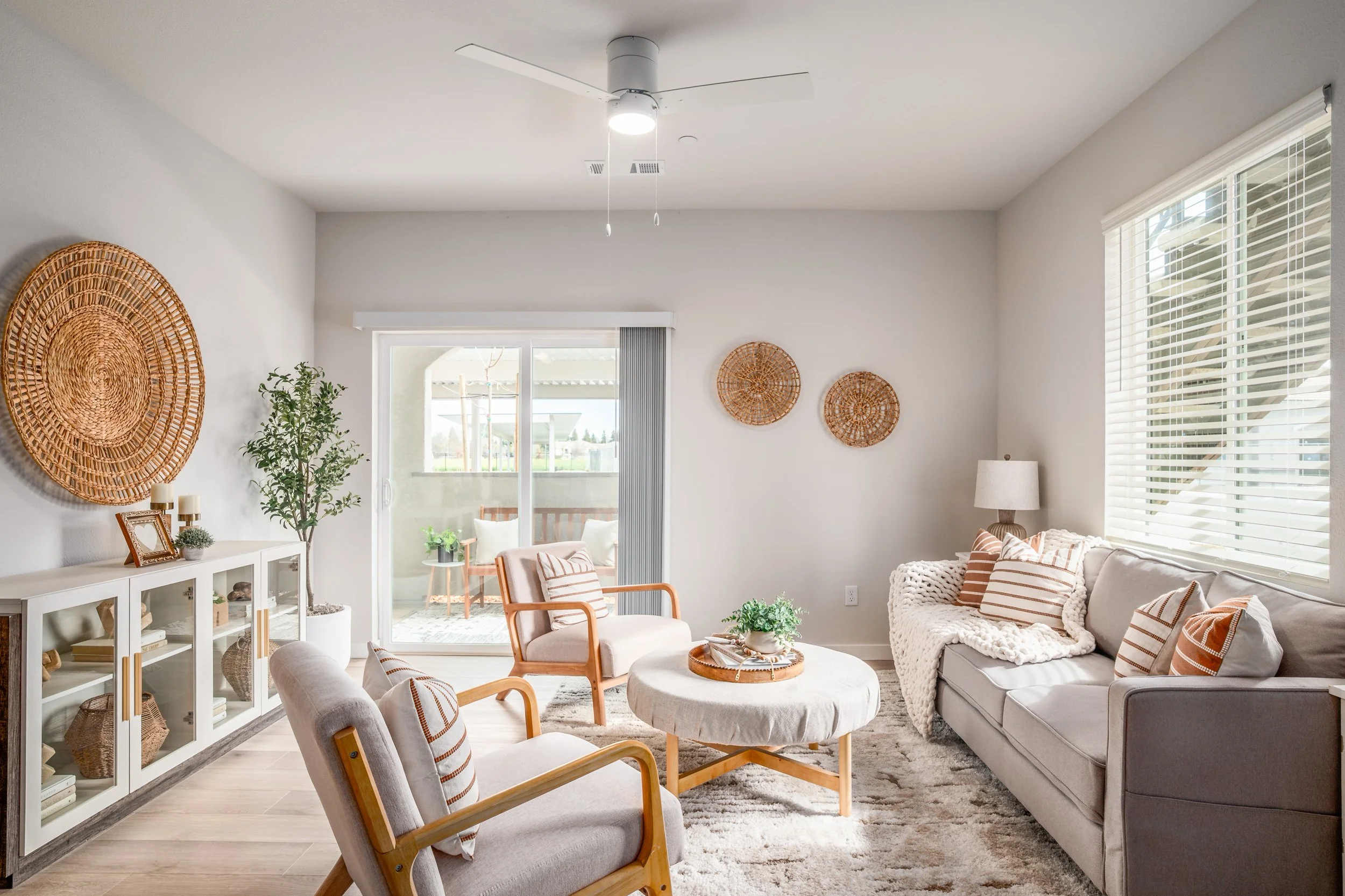
A real estate photographer can do a great deal with light, angle, and timing. What we can't do is move your life out of the frame. The single biggest factor in how a home photographs isn't the camera or the editing — it's the state of the house when we walk in the door.
The good news: preparing a home for photos isn't complicated, and it doesn't require a renovation or a professional stager. It requires a checklist and an afternoon. Done well, that afternoon is some of the highest-return work in the entire selling process, because these are the images buyers will use to decide whether your listing is worth their time at all.
This is the guide I wish every seller had before a shoot. It's written for homeowners getting their place ready, and it's just as useful for the agents who coach them through it. Work down it room by room, and your home will photograph like the best version of itself.
Why preparation matters more than you'd think
Before the checklist, one idea worth sitting with, because it reframes the whole effort.
Buyers don't evaluate listing photos the way they think they do. They aren't running a logical audit of features. They're having a fast, mostly emotional reaction — and that reaction is shaped by a few specific cues: cleanliness, light, a sense of space, and whether they can imagine their own life in the rooms. A cluttered counter doesn't just read as "messy counter." It quietly reads as "smaller kitchen, less storage, more work." A dim room doesn't read as "underexposed." It reads as "cramped" and "unloved."
Preparation is how you control those cues. Every item you clear, every light you turn on, every surface you wipe down is removing a small reason for a buyer to scroll past. That's why this matters: you're not tidying for the photographer. You're removing friction between your home and the person who's going to buy it.
Start with the whole-house pass
Before you touch any single room, do one sweep through the entire house with fresh eyes — ideally a friend's, since we all go blind to our own clutter. You're looking for the things that read everywhere, in every shot:
- Clutter on every surface. Counters, tables, nightstands, the top of the fridge, the back of the toilet. Flat surfaces collect life. For photos, they should hold almost nothing — a styled few items at most.
- Personal items. Family photos, kids' artwork, the calendar on the fridge, mail, medications. These do two things working against you: they keep a buyer from picturing themselves in the space, and on a public listing, they're a privacy and safety concern. Box them up.
- Cords and chargers. Phone chargers, lamp cords, the tangle behind the TV. They're small but the eye catches them every time.
- Smudged glass. Windows and mirrors should be clean and clear — natural light does a lot of the work in these photos, and it pours through dirty glass far less convincingly.
- Trash cans and pet bowls. Move them out of frame entirely on shoot day.
- Anything broken or half-finished. A burnt-out bulb, a piece of peeling trim, the door that won't close. Fix the quick ones; we'll work around the rest.
A reliable rule of thumb: if it isn't furniture, art, or one or two intentional styling pieces, it probably shouldn't be in the shot.
Go room by room
Kitchen
The kitchen sells homes, so give it the most attention. Clear the counters down to one or two styled items — a coffee maker or a bowl of fresh fruit can stay; the dish rack, the knife block, the mail pile, the sponge, and the paper towels cannot. Hide the dish soap and the towels hanging on the oven. Clear the fridge completely — magnets, photos, schedules, all of it. Wipe down anything stainless; fingerprints catch the light. Push small appliances into cabinets if you can.
Living room
This is where buyers picture their evenings, so let it feel open and calm. Remove excess furniture if the room feels crowded — fewer pieces read as more space. Fluff and straighten the pillows and throws. Clear the coffee table down to a tasteful few items. Tuck away the remotes, the chargers, the kids' toys, the pet beds. Open the blinds fully.
Bedrooms
Make the beds like a hotel would — smooth comforter, crisp pillows, no daytime pile of laundry on the chair. Clear the nightstands down to a lamp and maybe one small item. Floors should be clear; tuck shoes and bags into closets. If the closet door will be open in any shot, tidy it, because buyers absolutely look at storage.
Bathrooms
Bathrooms reward ruthlessness. Clear every counter — toothbrushes, soap, razors, products, all of it goes in a drawer or a bin under the sink. Replace stained or mismatched towels with clean, neutral, ideally white ones, folded or hung evenly. Close the toilet lid, every time. A roll of fresh toilet paper and a clean mirror finish it.
Outdoor and entry
The exterior is the first image most buyers see, so it carries weight. Mow and tidy the yard, sweep the walkways and the entry, and pull the hose out of view. Store trash and recycling bins out of sight. On the patio or deck, arrange the furniture as if you were about to sit down and enjoy it — this is where a buyer pictures their weekends. Clear toys, tools, and projects. Close the garage door, and take down flags and seasonal decor — they date the photos and pull attention from the house. Park cars away from the front of the house and out of the driveway if the exterior is being shot.
If you have a pool, give it the same attention as the kitchen: skim it, clean the surrounding deck, straighten the furniture, and turn on any waterfalls or spillway pumps before the shoot. Moving water photographs beautifully, and in the Central Valley a clean, inviting pool is one of the strongest selling features a backyard can show.
The day-of details only a photographer thinks about
This is the part most prep guides leave out, and it's where you can make a real difference in the final images.
- Turn on every light in the house — every lamp, every overhead, every under-cabinet strip — and replace any burnt-out bulbs before the day. Warm, even light makes a home feel alive. A photographer arriving to a dark house loses time and quality.
- Open all the blinds and curtains to let natural light in, unless a window faces something unsightly.
- Match your bulbs. A room with one warm bulb and one cold-white bulb photographs with an ugly color clash that's hard to fully fix. Swap mismatched bulbs to the same temperature ahead of time.
- Think about time of day. Exteriors often look best in the softer light of morning or late afternoon, and twilight shots — if you want them — happen on a tight window at dusk. Talk to your photographer about timing rather than defaulting to high noon.
- Plan for pets and people. The house should be empty of both during the shoot if possible. Pets get underfoot and into frame; people cast shadows and slow everything down. Arrange to be out with the animals for the window we're shooting.
- Crack the windows the night before if the home's been closed up — a fresh-smelling house matters at the in-person showing the photos are designed to earn.
A note on what photography can and can't do
Honest expectations help everyone. Good photography will show your home at its genuine best — the right light, the strongest angles, a consistent and flattering set of images. What it won't do is misrepresent the home, because photos that oversell lead to disappointed buyers standing in your living room, and that helps no one.
The aim of all this preparation is alignment: the home looks its best in the photos and lives up to them in person. That's the version of marketing that actually works — it earns the click online and confirms the impression at the door.