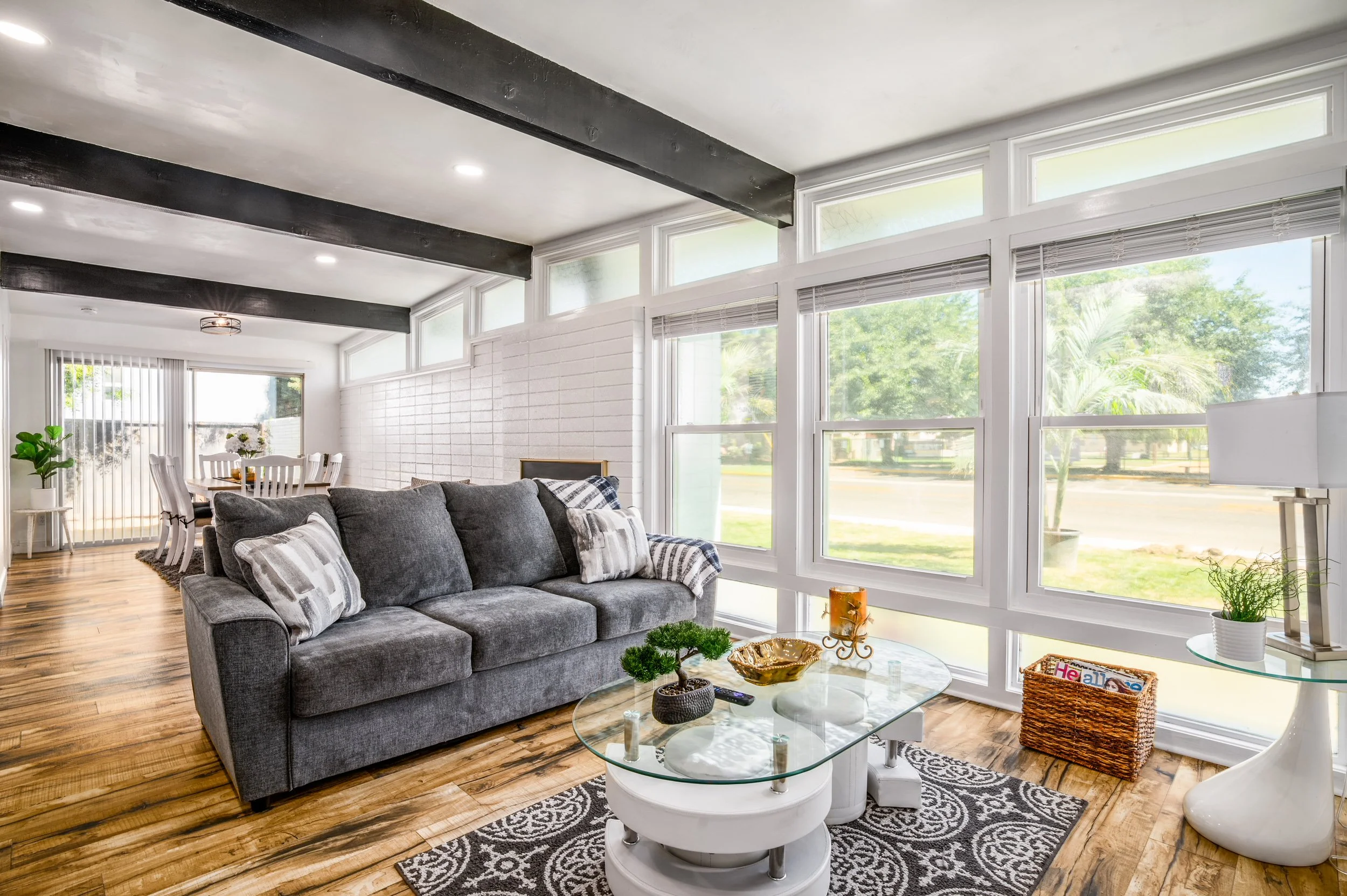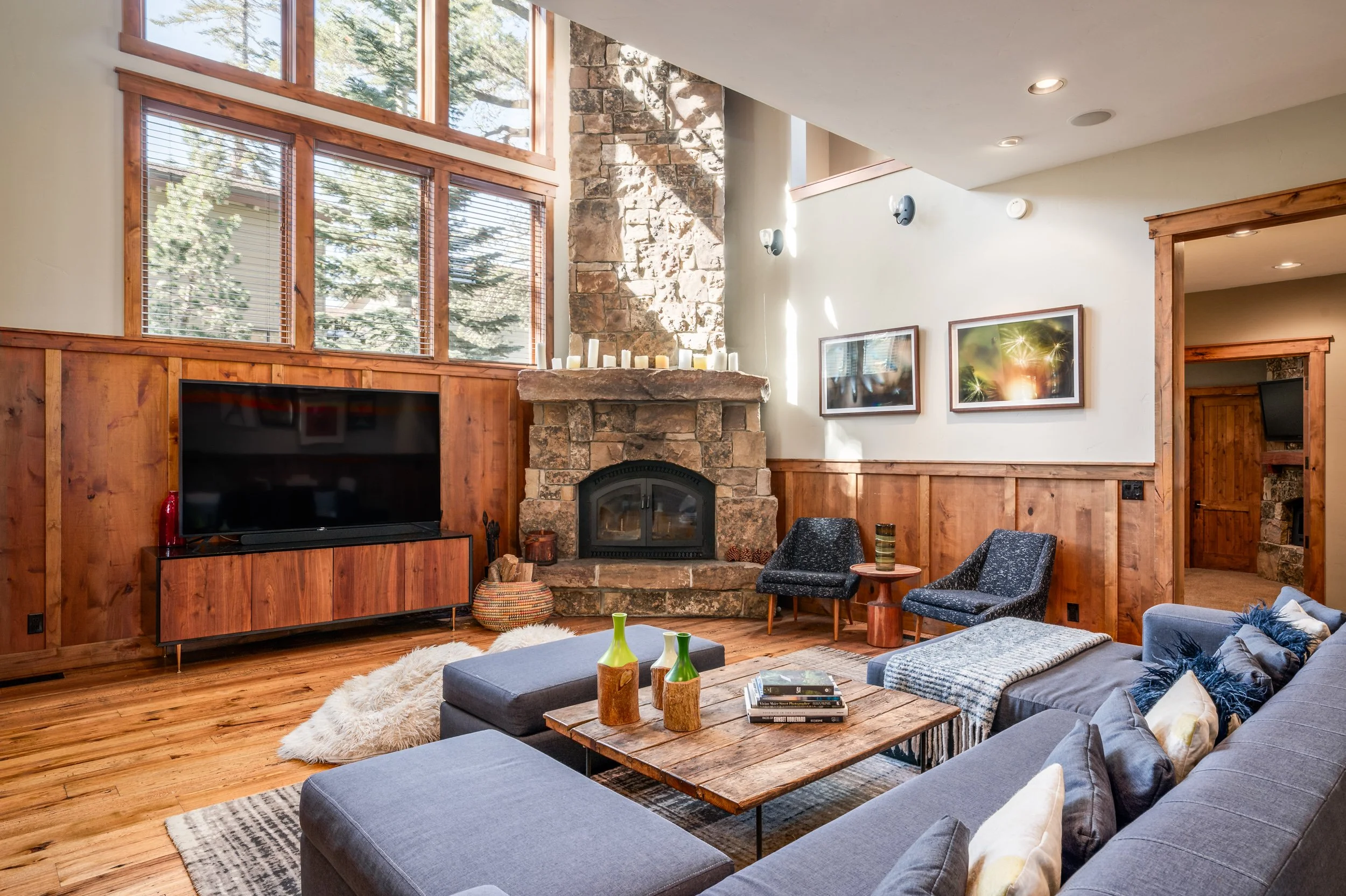
Walk through almost any listing online and you'll see the same thing: a competent photo of a living room, a competent photo of a kitchen, a competent photo of a bathroom. Every room accounted for. Nothing technically wrong. And nothing that makes you stop scrolling.
That's the quiet problem with most real estate photography. It documents a property. It rarely sells one.
After years shooting homes across Fresno and the Central Valley — from starter houses to custom builds in the Friant foothills — I've come to believe the gap between a listing that lingers and one that moves usually isn't the house. It's whether the photos understood what the buyer was actually looking at.
A buyer isn't shopping for rooms
Here's the thing people miss. A buyer scrolling listings at 10pm isn't evaluating square footage and ceiling height, not really. They're doing something closer to daydreaming. They're trying to answer a question no floor plan can answer: Could I live here? Would my mornings be better in this kitchen? Could I picture a Saturday on that deck?
They're casting themselves in a scene. The photo's job is to give them a scene worth stepping into.
Most listing photography doesn't do this. It shows you the deck — centered, level, evenly lit, empty. Accurate. Forgettable. The better version shows you the deck at the end of the day, the foothills going gold behind it, the kind of light that makes you imagine being out there with a drink and nowhere to be. Same deck. Completely different decision happening in the viewer's head.
One is inventory. The other is an invitation.
The spec sheet already exists — your photos shouldn't repeat it
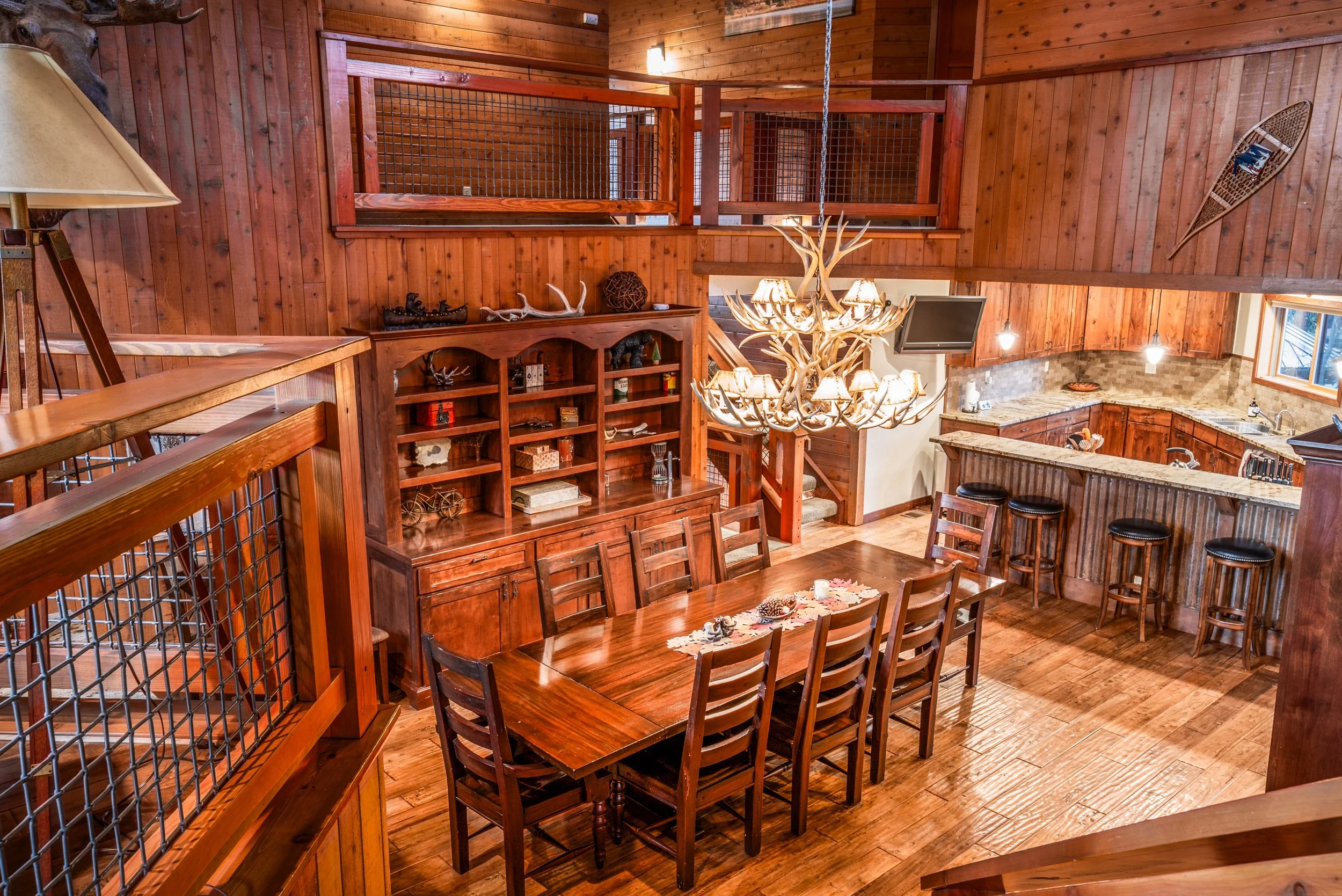
Every listing comes with the facts. Beds, baths, lot size, year built. That information is already there in black and white, and no photo needs to repeat it. A photo that simply confirms "yes, this is a bedroom" is spending its one job restating something the buyer can read in two seconds.
The facts tell someone what the house is. The photography is the only part of a listing that can tell them what living there would feel like. When a photo gives that up — when it settles for documentation — the listing loses the one tool it has for creating desire instead of just conveying data.
This is why I start every shoot with a question that has nothing to do with the camera: who is the buyer for this place, and what are they hoping to find? A first-time buyer in a Clovis starter home and a move-up buyer eyeing a custom build in the hills are looking for two completely different lives. The house doesn't change. What I choose to emphasize does.
Light is the whole argument
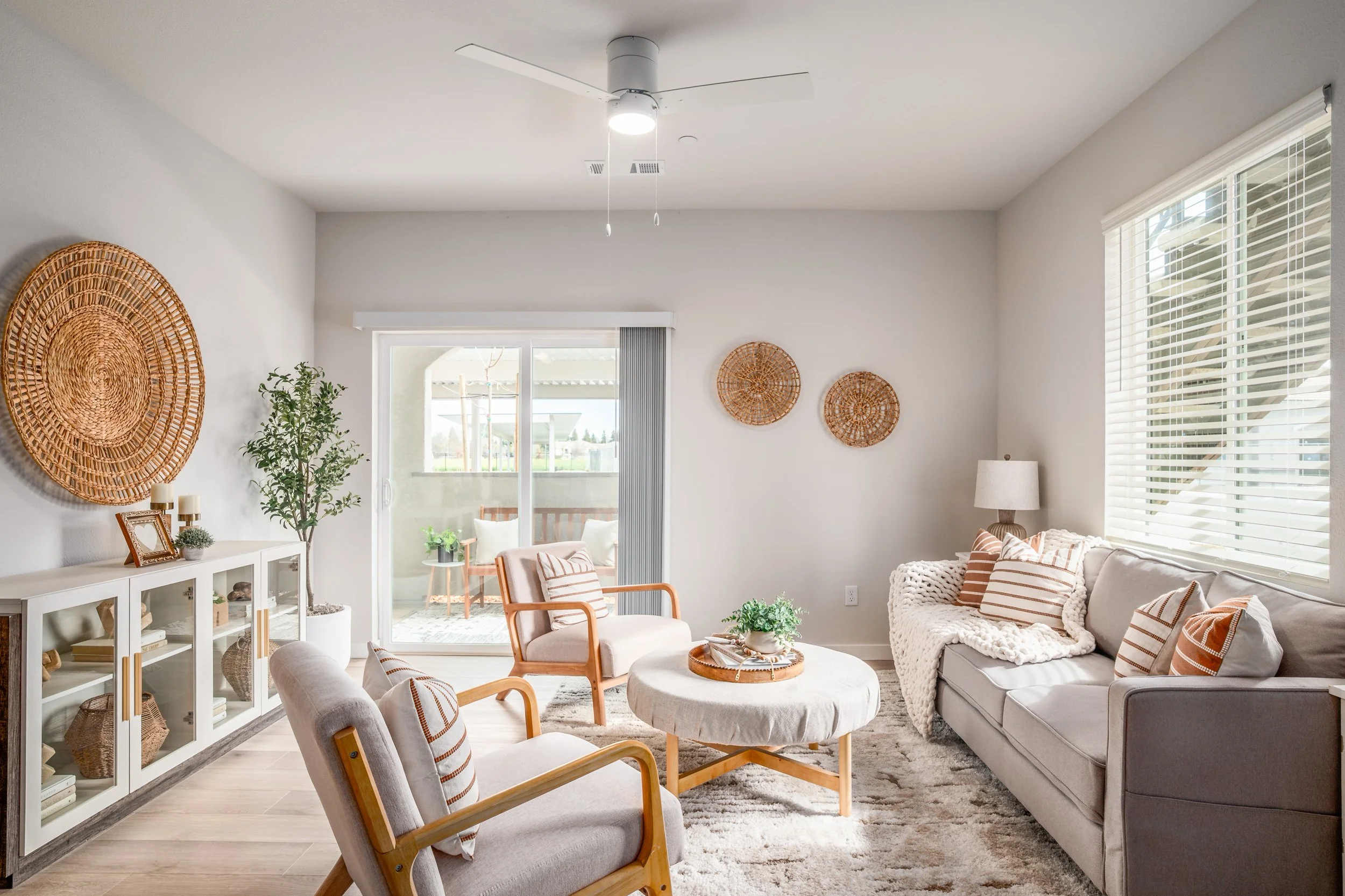
If a photo is going to make someone feel something, light is how it happens. It's not a finishing touch. It's the entire case the image is making.
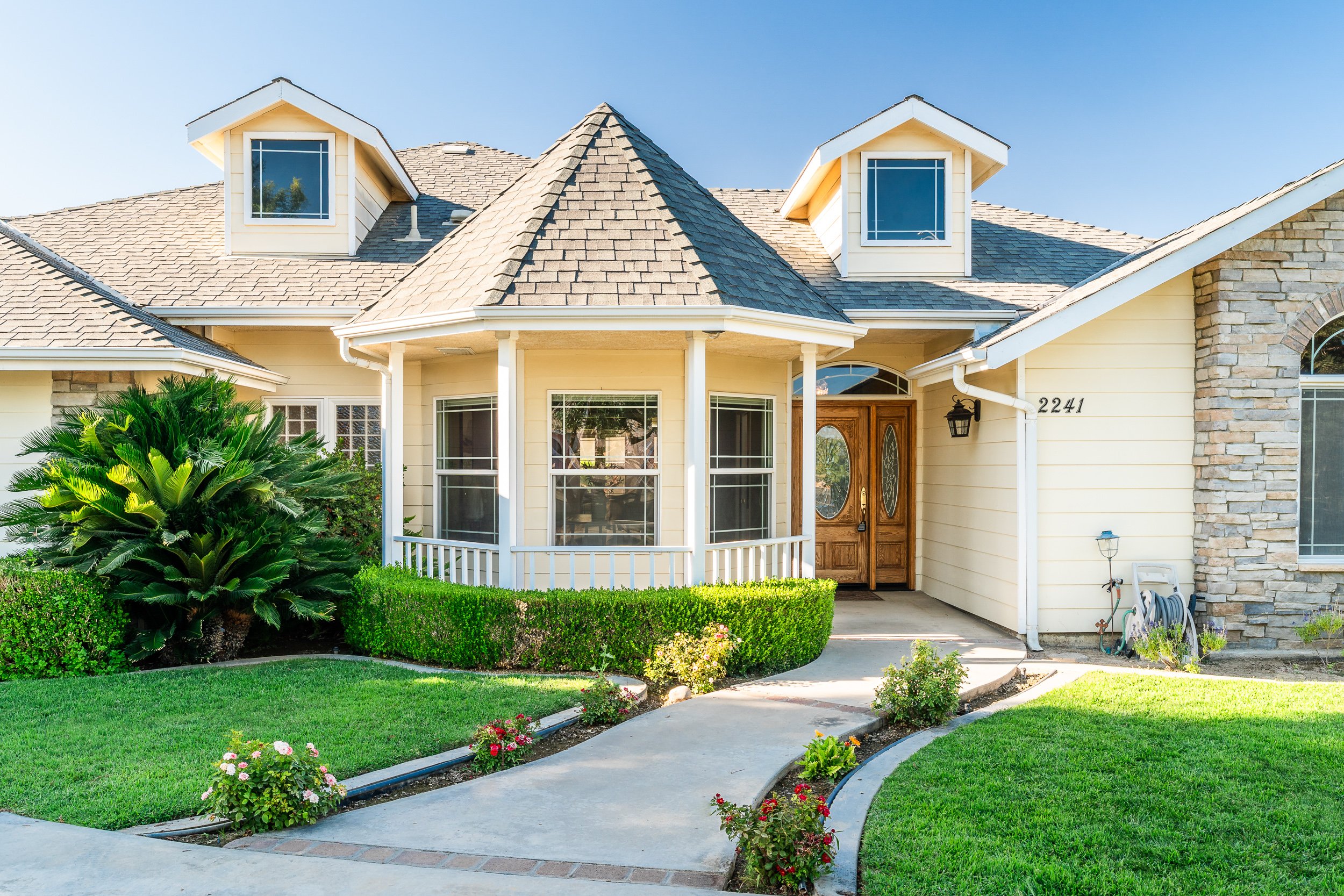
The reason twilight exterior photos work — the windows glowing warm, the sky still holding a little blue — isn't that they're pretty, though they are. It's that they read as home in a way a flat midday shot never will. Nobody's emotional response to "arriving home" happens under harsh noon sun. It happens at the end of the day, lights on, the place waiting for you. A twilight photo isn't a fancier version of the daytime shot. It's photographing a feeling the buyer already has and attaching it to this house.
The same logic runs through an interior. Window light falling across a floor, the warmth of a lamp in a corner, the time of day chosen on purpose rather than whenever the appointment happened to be — these aren't technical flourishes. They're the difference between a room a buyer notes and a room a buyer wants.
Aerials sell the part you can't walk through
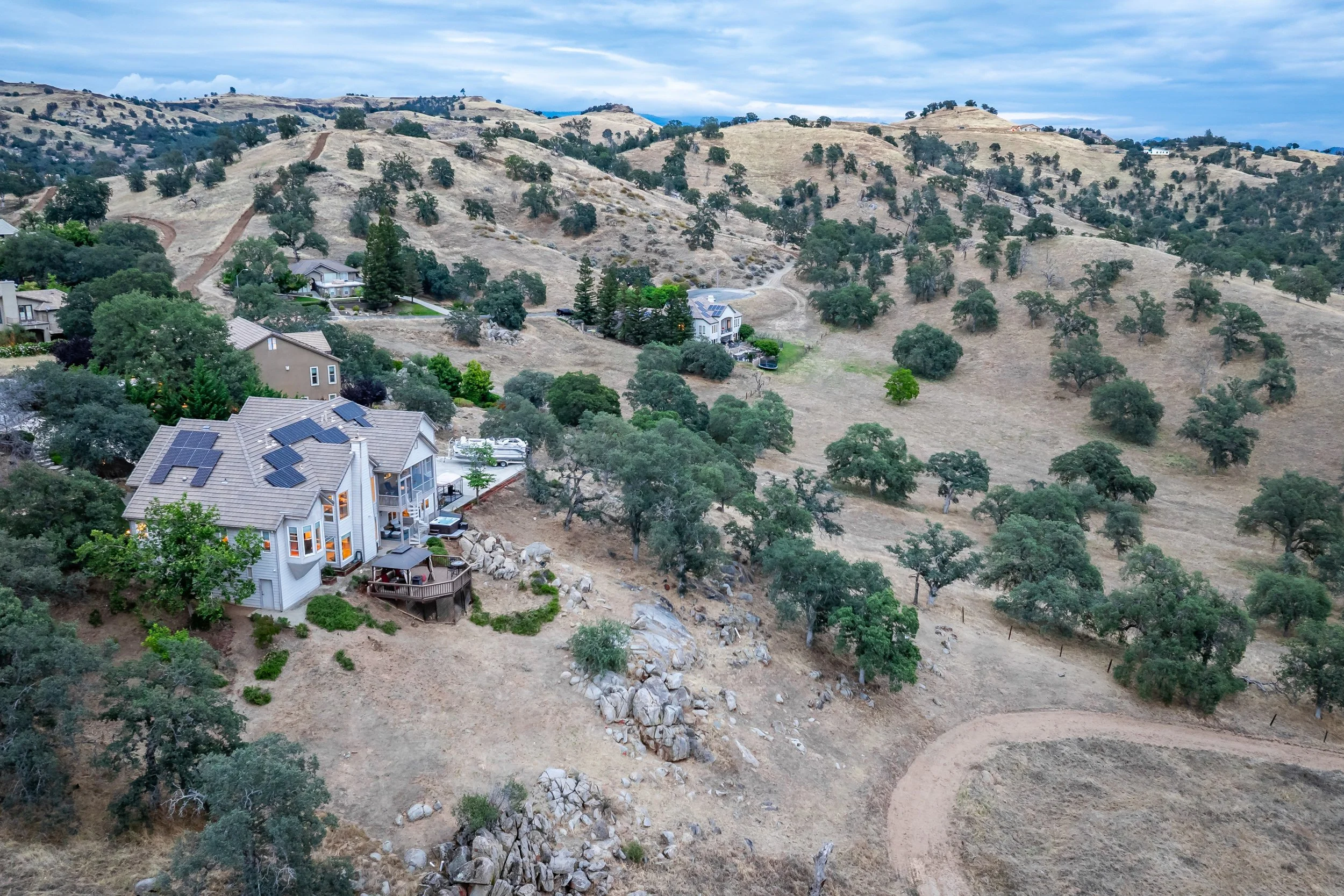
There's a category of thing about a property that no interior shot can reach: where it actually sits in the world. A home backing up to open foothills, a parcel with real land around it, the way a neighborhood holds together, the drive in. Buyers care enormously about setting, and from the ground you simply can't show it.
This is where aerial work earns its place — not as a gimmick, but as the only way to tell the part of the story that lives above eye level. For acreage, view properties, or anything where the location is the selling point, skipping the air means leaving the best chapter untold.
Consistency is its own kind of trust
One last thing, because it's the part that's easy to overlook in favor of the hero shot. A listing isn't one photo. It's a set, scrolled in sequence. And a set where every image holds the same standard — same care with light, same intentional framing, same point of view from the entry shot to the last bedroom — does something a single great photo can't. It tells the buyer, without saying it, that this property has been taken seriously.
People feel inconsistency even when they can't name it. Three strong photos followed by four flat ones reads, somewhere beneath conscious thought, as a lack of pride. A consistent set reads as a home worth trusting. That trust is built or lost before anyone walks through the door.
What this means if you're listing a property
You don't need every shot to be a showpiece. You need the photography to understand what it's there to do: not to inventory a building, but to hand a buyer a life they can picture as their own. Show the scene, not just the space. Shoot the light, not just the layout. Tell the part of the story the spec sheet can't.
That's the whole approach, and it's why I shoot the way I do. A house photographed honestly and with intention doesn't just get seen. It gets remembered — and the remembered ones are the ones that sell.
Based in Fresno and serving the Central Valley — Clovis, Visalia, Madera, Merced, and beyond. If you've got a property that deserves more than a documentation job, let's talk.